Crime Scene: Church "Spiritual violence is an underestimated phenomenon"
Out of fear, victims often confide only in God after an assault. But that alone is not enough to punish perpetrators.

Anyone who experiences boundary violations and assaults in a church environment should not remain silent out of shame, fear, or powerlessness, but should contact the Ombudsman for Victims of Violence and Sexual Abuse in the Diocese of Eisenstadt. Those affected receive therapeutic and financial support there.
Violence is omnipresent and a profound and widespread problem. It can appear in many different forms – for example, in the form of psychological-emotional, physical, sexual, or structural violence. In private, domestic settings and in public spaces such as schools and workplaces. And even in places and contexts where one would not expect them – for example, in the context of faith and religious communities.
When the Catholic Church in Austria was confronted with the first public allegations of sexual abuse in the 1990s, the Archdiocese of Vienna was the first diocese in the country to establish an ombudsman's office for victims. Other dioceses followed. A new phase of intensive engagement with the issue began in 2009, when further cases became public. This led to a noticeable upheaval within the Church and society.
On the courage to speak the truth
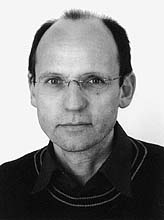
In the process, significant reforms were made and religious orders were included. And 15 years ago, the first independent ombudsman's office without priestly leadership was founded in Eisenstadt. It is led by the independent clinical psychologist Gabriele Kindshofer. "I hope that the victims are believed and that they are given the chance to close their story as best as possible. Each of them deserves the opportunity for a fresh start," says the Zurndorf native.
In its early days, the contact and reporting center for victims focused particularly on abuse of children and young people. Its area of responsibility now also includes psychological and spiritual violence, as well as assaults on vulnerable adults. "Spiritual violence is an often underestimated phenomenon. It includes the exertion of religious pressure, manipulation through fear of divine punishment, or the suppression of free religious decisions by children and young people. This can have a profound impact and lead to enormous psychological stress," explains Kindshofer, who offers emergency assistance.
Financial and therapeutic support
If there are indications of suspected cases, they are consistently investigated. In the diocese, they are forwarded directly from the local Office for the Prevention of Abuse and Violence to the Ombudsman's Office. The intensive exchange between these two offices makes it possible to clarify many issues in advance. The concerns raised are carefully examined and assessed by the Independent Victims' Ombudsman (UOA). On this basis, the Ombudsman's Office can then provide financial or therapeutic support. "The suffering inflicted should not and cannot be remedied, but it is a sign of recognition and solidarity with those affected," says Kindshofer.
To facilitate joint progress, employees in the diocese who are subject to reporting requirements are being sensitized to the topics of boundary violations, assault, and respectful interaction through training and workshops.
Those affected can find a listening ear here: 0676/880701024 or opferschutz@martinus.at





.jpeg)

Comments