Religious orders in Spain in terminal decline. Spain loses almost half of its religious in just two decades
There are almost half as many religious as at the beginning of the century.
CONFER holds its General Assembly in a context of a plummeting number of consecrated persons in Spain.
Madrid hosted the 31st General Assembly of CONFER (Spanish Conference of Religious) this week. Jesús Díaz Sariego was reelected as president, and Cinta Bayo, of the Congregation of the Handmaids of the Divine Heart, will be the new vice president.

Fernando García, of the Salesians, has been re-elected as a member, and Isidoro María Anguita, Abbot of the Cistercian Monastery of the Strict Observance of Santa María de Huerta, and Rosa Masferrer of the Institute of Religious of San José de Gerona, have been elected as new members.
The motto of this general assembly is HOPE, where are you? "And they rose up and returned to Jerusalem (Luke 24:33)."
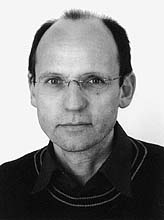
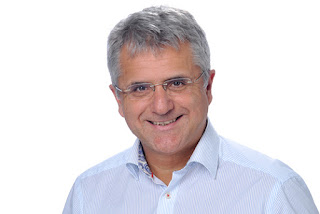
As can be seen in the official photo provided by CONFER, both the president and vice president are dressed in street clothes.

Spain loses almost half of its religious in just two decades
Consecrated life in Spain has suffered a notable decline from 2000 to 2024, reflecting a profound change in the country's religious experience. According to the latest data compiled, the total number of consecrated persons has dropped from over 60,000 to just 33,000 in just over twenty years, with an average loss of between 900 and 1,000 religious men and women each year.
In 2005, there were 54,160 religious women. However, by 2023, the number had fallen to 25,531. The number of male religious, which numbered around 15,000 at the beginning of the century, has dropped to just under 8,000. This decline affects all branches and charisms and has been accompanied by a widespread aging of communities and a drastic drop in vocations.
In 2022, there were 1,279 people in religious formation, including novices and religious in temporary vows, a figure that does not compensate for deaths or departures from consecrated life. In major seminaries, just over a thousand candidates for the priesthood were being trained.
The Spanish Episcopal Conference and the main congregations have warned about the consequences of this decline, which puts at risk the sustainability of many social and educational projects promoted by religious communities. The secularization of society, changing cultural values, and the aging of the clergy are some of the factors that explain this transformation.
The phenomenon is not unique to Spain, but the Spanish case is one of the most pronounced in Europe, especially due to the speed with which the decline has occurred.





.jpeg)

Comments